


From reliable transportation and affordable housing to food security, healthcare and environmental protection, Lagos residents have outlined the priorities they want the next administration to address.
What should a new administration do differently to make life better for the average Lagosian?
That was the central question behind a recent Ask Lagos conversation held in the aftermath of the Lagos governorship debate, where candidates presented their visions and proposed solutions to the state’s challenges.
Moving beyond campaign promises and political affiliations, the discussion gave residents an opportunity to explain what they expect from whoever emerges as the next governor of Lagos State.
The message that emerged was consistent: residents want governance measured not by the number of promises made or projects announced, but by improvements they can see and experience in their daily lives.
Transportation, housing, infrastructure, healthcare, education, electricity, food security, security and government accountability featured prominently in the contributions.
One of the first concerns raised was the practicality of political promises. A participant questioned whether some proposals presented during the debate were supported by realistic budgets, adequate population data, available land and clear implementation plans.
The participant argued that candidates must demonstrate how their promises would be funded and delivered, rather than presenting ambitious proposals without explaining the resources and planning required to achieve them.
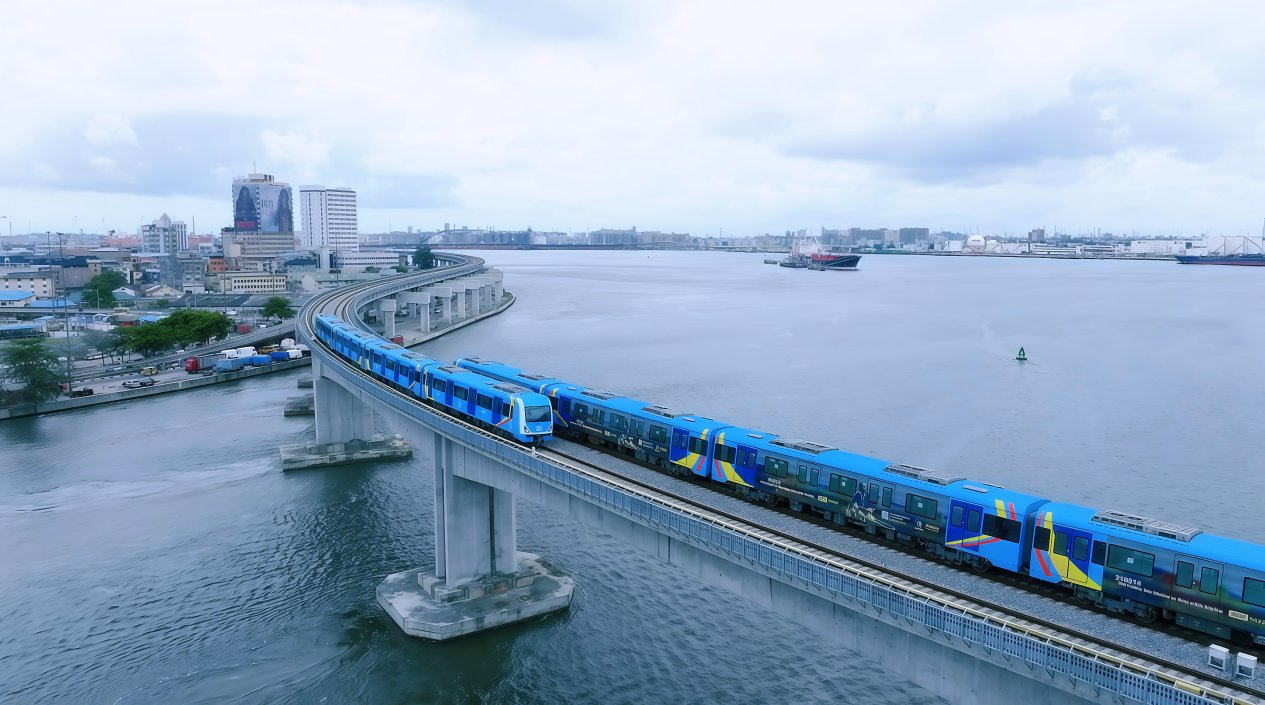
Transportation was another major issue. While acknowledging the progress made in rail development, residents called for the expansion of the network to reach more communities and make train services accessible to a greater number of commuters.
They also advocated an integrated transportation system connecting road, rail and water transport, with increased ferry services and the adoption of electric buses.
For residents, the measure of progress should be whether commuters can reach their destinations more conveniently, safely and affordably, with reliable connections that address the last-mile challenge.
Beyond new infrastructure, participants repeatedly returned to what they described as a more fundamental governance problem: implementation and enforcement.
They cited illegal roadside trading, indiscriminate waste disposal, obstruction of public roads and commercial motorcycle operations in restricted areas as examples of practices that continue despite existing government regulations.
Some argued that government should demonstrate consistency in enforcing policies introduced for public safety and the general interest, while acknowledging that regulations must also be properly considered and communicated.
The discussion also highlighted the need to maintain existing infrastructure and extend development to communities that residents believe have remained neglected for years.
Participants urged the next administration to build on useful policies and projects inherited from previous governments instead of abandoning them simply because political leadership has changed.
A participant identified as Dr Olusoji outlined several priorities, including a competent and disciplined civil service, improved food security, durable road construction, stronger healthcare delivery, transportation continuity and affordable housing.
On food security, the participant argued that Lagos must strengthen food availability and affordability in response to its growing population, adding that the state’s economic strength should translate into better living conditions for residents.
On roads, the participant advocated more durable construction methods, including exploring concrete roads, to reduce repeated repairs and improve the lifespan of infrastructure.
Healthcare was another priority, with a call for modern facilities and better support for doctors, nurses, pharmacists and other health professionals whose contributions are essential to the functioning of the system.
The participant also called for affordable housing programmes that genuinely benefit low-income earners and vulnerable families, rather than being captured by wealthy individuals who may acquire government-developed properties and subsequently rent them out.
Environmental sustainability also featured prominently, particularly the protection of wetlands.
A participant identified as Senu Sanem expressed concern about the reclamation and development of wetlands, warning that these natural spaces play an important role in accommodating excess water and supporting the ecological balance of Lagos.
The participant raised concerns about wetland areas along the Lekki-Epe Expressway corridor and called on the current and incoming administrations to investigate developments in environmentally sensitive locations.
The concern was that uncontrolled reclamation could restrict natural water flow and worsen flooding, especially during periods of heavy rainfall.
Written contributions from other residents reinforced the demand for a public transportation system that is comfortable, secure, dignifying and reliable throughout the day, with proper connections to residents’ final destinations.
Others called for practical action on rising rents, unreliable electricity, unemployment and the cost of doing business.
The welfare of retirees and access to healthcare also received attention. Dr Olusoji called for prompt payment of retirement benefits and improved support for retired workers, arguing that people who have dedicated years to public service should not face unnecessary financial hardship after retirement.
The participant further advocated accessible and affordable medical care, particularly for vulnerable residents, and called for the enforcement of existing provisions requiring healthcare institutions to attend to emergency cases.
On leadership, another contributor stressed the importance of experience, administrative knowledge and policy continuity, noting that Lagos’s development has involved successive administrations.
The argument was that the next government should preserve successful programmes, address unresolved challenges and improve existing initiatives rather than begin every administration as though previous efforts never existed.
Accountability emerged as one of the strongest recurring themes.
Participants called for leaders who would explain delays, provide updates on campaign promises and remain accessible when residents demand answers. They also emphasised the need for an environment where citizens can question public officials and challenge government decisions without intimidation.
The moderator, in the closing remarks, noted that the concerns raised during the conversation were not merely political talking points but issues affecting residents in their homes, workplaces, businesses and communities.
The discussion was not intended to promote any political party or candidate. Rather, it sought to place residents’ expectations at the centre of conversations about Lagos’s future.
Across the contributions, five broad expectations stood out: realistic promises backed by clear implementation plans; consistent enforcement of laws and policies; development that improves everyday living conditions; inclusive growth that protects vulnerable residents and the environment; and leadership that remains accountable to the people.
Ultimately, residents are asking for a Lagos where transportation works, housing is more accessible, roads are durable, electricity is reliable, healthcare is within reach and public services respond to people’s needs.
The conversation also reinforced the responsibility of residents to remain engaged, share their experiences and demand explanations from those entrusted with public office.
As the 2027 governorship election approaches, the expectations expressed offer a useful measure against which campaign promises and future government performance can be examined.
For Lagosians, the real test of leadership will not end with the unveiling of a manifesto or the conclusion of an election. It will be seen in the quality of life residents experience after the votes have been counted.
Ask Lagos — because the future of Lagos must be shaped not only by those seeking to govern, but also by the people who live, work and do business here.
Leave a Reply