


Should Lagos prioritise building roads that last longer, even if they cost more? That question dominated the latest Ask Lagos X Space as residents commended the Sanwo-Olu administration’s infrastructure projects while urging the government to focus more on durability, maintenance and long-term value.
The discussion, themed “Infrastructure and Sanwo-Olu’s Legacy,” featured the Lagos State Commissioner for Information and Strategy, Gbenga Omotoso, who responded to questions from residents on completed projects, ongoing developments and the future of infrastructure delivery across the state.
Speaking during the session, Omotoso described infrastructure as a major pillar of the THEMES+ Agenda, highlighting investments in transportation, healthcare, housing and water transportation.
On transportation, he said the state has completed hundreds of kilometres of roads, constructed major bridges connecting previously isolated communities and rehabilitated strategic road corridors to ease traffic congestion.
He also highlighted the completion and operation of the Blue Line Rail and the commissioning of the Red Line Rail, noting that both projects have reduced travel time, improved commuter safety and strengthened public transportation. According to him, the state is working to procure additional train coaches to increase passenger capacity.
On water transportation, Omotoso said Lagos has expanded ferry services and terminals while introducing modern ferries built by Nigerian engineers with improved safety features and onboard Wi-Fi. He added that the long-term goal is to integrate road, rail and water transportation into a seamless network.
The commissioner also pointed to investments in healthcare, including the construction of what he described as the largest paediatric hospital in West Africa, new general hospitals, a mental health and rehabilitation facility, and the ongoing upgrade of primary healthcare centres across the state.
He added that thousands of housing units have been completed, with more currently under construction to help address Lagos’ housing deficit.
While acknowledging these achievements, residents called for greater attention to infrastructure maintenance and durability.
Some participants raised concerns over deteriorating roads around Mile 2, Badagry and other parts of Lagos, questioning why some recently completed roads had already begun developing potholes.
Responding, Omotoso attributed part of the problem to heavy rainfall and the impact of heavy-duty trucks on asphalt roads, noting that repairs are often delayed during the rainy season.
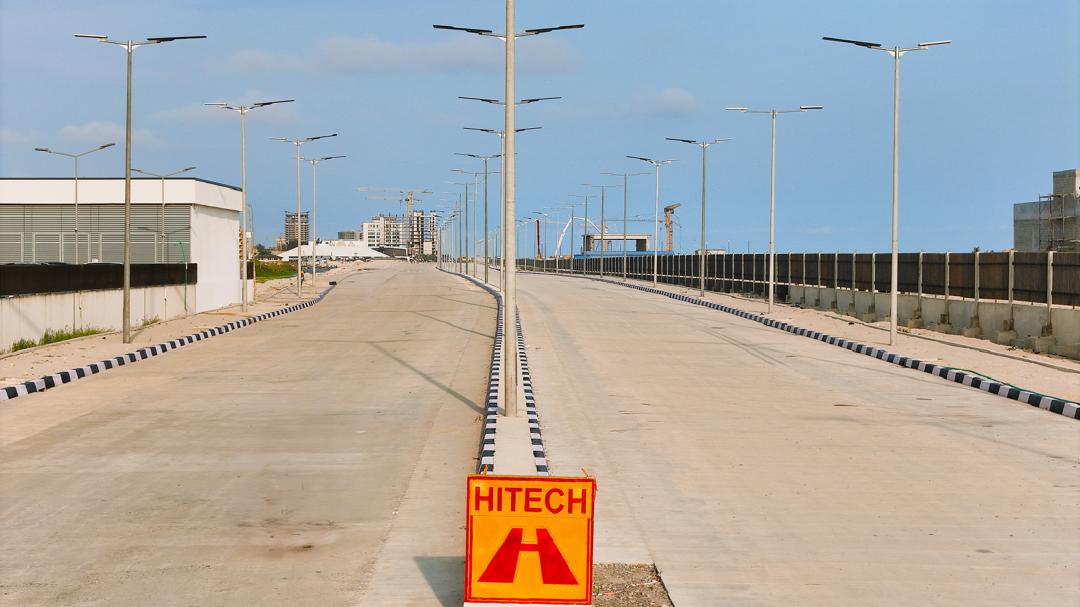
He disclosed that the government is considering wider adoption of concrete roads, explaining that although they require higher initial investment, they are more durable and cost-effective over time.
Several participants welcomed the proposal, urging the government to adopt concrete road technology for major highways, strengthen contractor accountability and improve routine maintenance of public infrastructure.
Residents also raised issues relating to flood control, drainage, waste management, urban planning, truck regulation and cleaner public spaces, while calling for faster delivery of community road projects.
Omotoso assured participants that their recommendations would be forwarded to the relevant government agencies and reiterated the administration’s commitment to completing ongoing projects across the state.
He also thanked Lagosians for their constructive feedback, stressing that effective governance depends on active collaboration between government and citizens.
Leave a Reply