


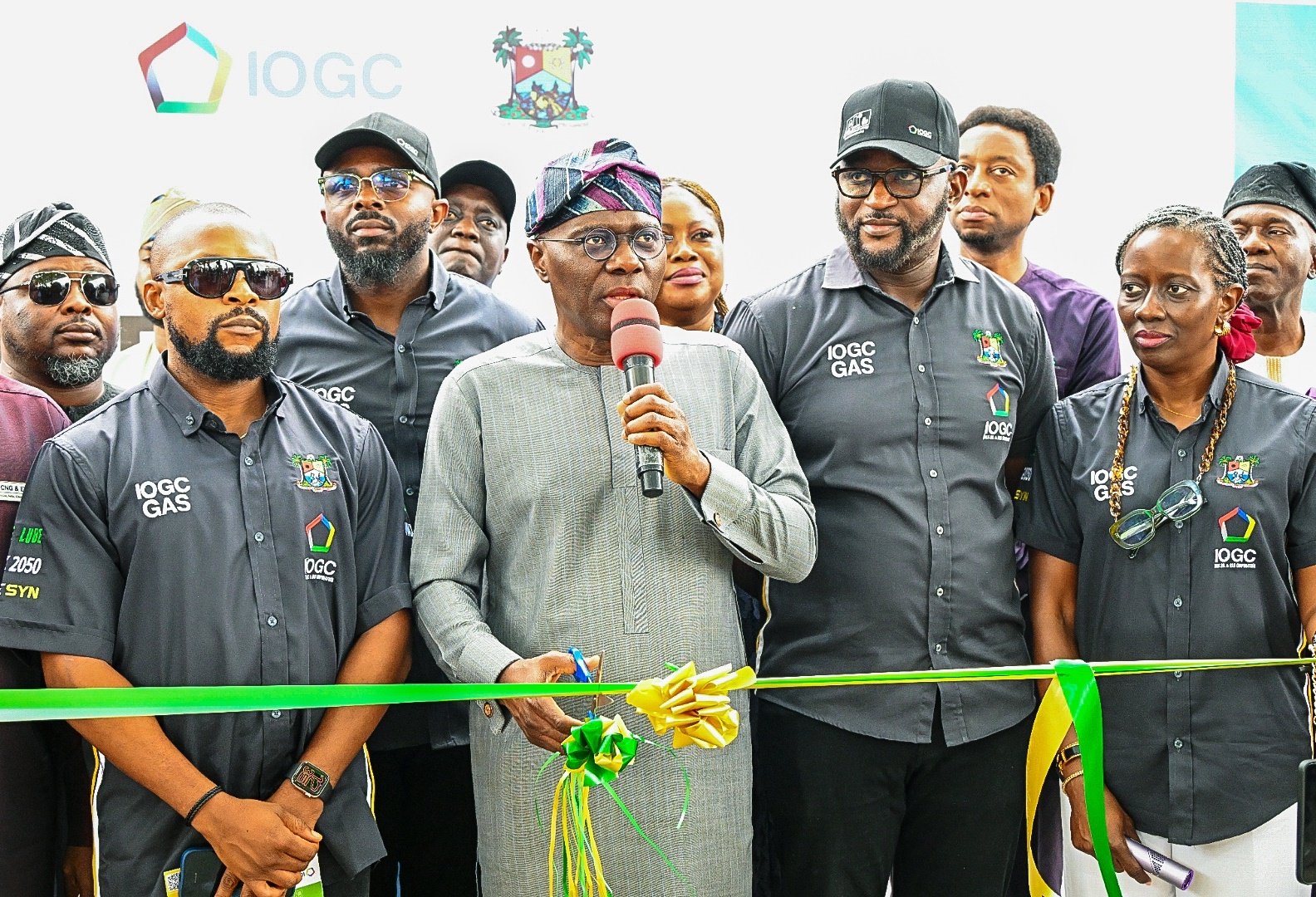
Can cleaner and cheaper energy transform transportation in Lagos? The Lagos State Government believes it can. Governor Babajide Sanwo-Olu has commissioned Nigeria’s first Integrated Energy Hub, describing it as a major step towards cleaner mobility, lower transport costs and a more sustainable energy future.
The facility, developed by Ibile Oil and Gas Corporation (IOGC) along the Apapa-Oshodi Expressway, combines Premium Motor Spirit (PMS), Automotive Gas Oil (AGO), Liquefied Petroleum Gas (LPG), Compressed Natural Gas (CNG), electric vehicle (EV) charging stations and solar power under one roof, making it the first integrated energy hub of its kind in Nigeria.
Governor Sanwo-Olu said the project represents more than a conventional filling station, describing it as a strategic investment that aligns with Lagos State’s vision of leading innovation while supporting the Federal Government’s energy transition agenda.
“This is not just any filling station. It is an integrated energy hub that points to the future of mobility and energy in Nigeria,” the governor said.
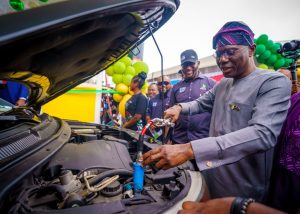
He explained that the Oshodi location was deliberately selected because of its importance as one of Nigeria’s busiest transport corridors, where thousands of commuters, motorists and businesses depend on reliable energy infrastructure every day.
Sanwo-Olu said the hub would provide motorists with cleaner and more affordable energy options, reduce transportation costs, create jobs, stimulate economic growth and attract more private investment into Lagos.
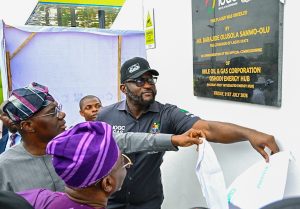
He also commended President Bola Ahmed Tinubu’s Presidential CNG Initiative for accelerating Nigeria’s transition to alternative fuels, urging regulators, investors and state governments to collaborate in expanding similar projects across the country.
Managing Director of Ibile Oil and Gas Corporation, Mr. Temitayo Gbajumo, described the facility as Nigeria’s—and possibly Africa’s—first integrated energy hub, revealing that it forms part of the corporation’s plan to establish 19 CNG stations across Lagos.
According to him, four CNG stations are already operational, while another 12 are at various stages of development, with all 19 expected to be completed before the end of the year.
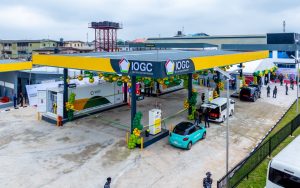
Gbajumo disclosed that the Oshodi hub can serve between 200 and 300 PMS and AGO vehicles daily, while its CNG infrastructure has the capacity to dispense about 7,000 Standard Cubic Metres of gas every day.
He added that the facility also houses a vehicle conversion centre where motorists can convert petrol-powered vehicles to CNG at subsidised rates, making cleaner and more affordable transportation accessible to more Lagos residents.
As Lagos expands investments in clean energy infrastructure, the integrated energy hub is expected to strengthen the state’s transition towards sustainable transportation while supporting economic growth and reducing dependence on conventional fuels.
Leave a Reply